Repainting a car is more than a cosmetic refresh — it protects the body from corrosion and UV damage. But with so many options on the market, choosing the right auto refinishing paint can feel overwhelming. This guide explains what makes a refinishing system perform, why acrylic resin matters, and how to get professional-looking results.
What Is Auto Refinishing Paint?
Auto refinishing paint is a coating system used to repair or repaint vehicle surfaces after collision repair, rust treatment, or a full color change. Unlike factory OEM paint applied in a controlled assembly line, refinish paints are formulated for the body shop environment — they need predictable drying times, easy color matching, and durable adhesion on both bare metal and old paint.
Why Acrylic Resin Is the Backbone of Modern Car Paint
The resin is the film-forming heart of any paint, and acrylic resin has become the most popular choice in modern refinishing systems. Here’s why:
- Durability: Acrylic resin creates a tough, flexible film that resists chipping, scratching, and weathering.
- UV resistance: It holds color and gloss far longer under sunlight, reducing fade on panels that face the sun daily.
- Fast drying: Acrylic-based car paint cures quickly, letting body shops return vehicles to customers sooner and speed up workflow.
- Versatility: Acrylic resin works well in both solvent-based and waterborne formulas, and it bonds reliably across primers, basecoats, and clearcoats.
For DIY painters, single-component acrylic enamel offers simple handling; for professional shops, two-component (2K) acrylic polyurethane delivers maximum hardness and chemical resistance.
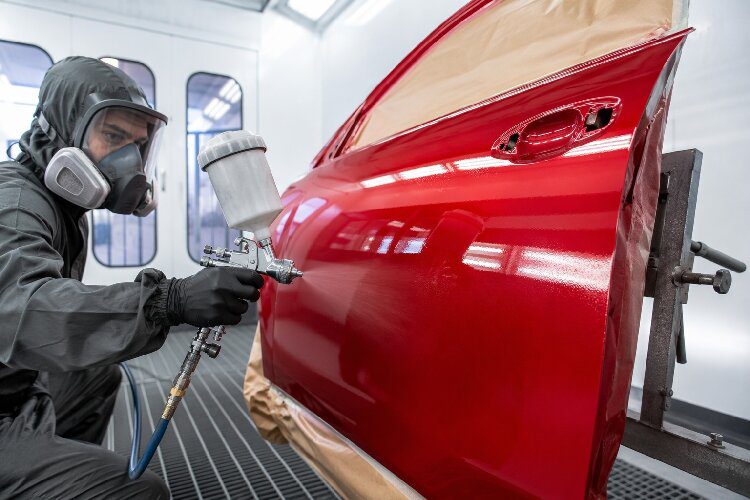
How to Choose the Right Refinish Paint
- Match the resin to the job. Use 2K systems for bumpers and high-wear areas; 1K acrylic enamel is fine for small spot repairs.
- Check the color code. Always mix car paint according to the vehicle’s OEM paint code — never match by eye.
- Consider the environment. Waterborne acrylic resins meet stricter VOC regulations while delivering the same gloss.
- Invest in prep. The best auto refinishing paint fails on poorly prepared surfaces. Sand, clean, and prime first.
Frequently Asked Questions
What is the difference between acrylic resin and polyurethane? Acrylic resin offers excellent gloss and UV stability at a lower cost; polyurethane adds extra hardness and chemical resistance, making it ideal for heavy-duty applications.
How long does car paint take to dry? Most acrylic refinish coats dry to touch in 30 minutes and can be handled within a few hours, depending on temperature and humidity.
A quality refinishing job starts with a quality paint system. Choose a proven auto refinishing paint built on premium acrylic resin, prepare the surface properly, and your car will keep its showroom finish for years.